October 20, 2026
Early Bird Registration Deadline
November 24, 2026
Regular Registration Deadline
December 14, 2026
Hotel Deadline
2027 NASPA Strategies Conferences
Health, Safety, and Well-being Alcohol and Other Drug Health, Safety, and Well-being Initiatives Sexual and Relationship Violence Prevention, Education, and Response Wellness and Health Promotion AVP or "Number Two" Faculty Mid-Level New Professional Senior Level
January 7 - January 9, 2027 Austin, TX
The NASPA Strategies Conferences provide student affairs practitioners with the knowledge and skills to effectively address collegiate alcohol and drug misuse prevention, mental health, sexual violence prevention and response, peer education and well-being through a variety of comprehensive and integrative approaches.
The 2027 NASPA Strategies Conferences Call for Programs is now open! Pre-Conference Submission due date extended to Friday, July 31, 2026.
Submit Your Program!
Presented By
The convergence of the NASPA Alcohol, Other Drug, and Violence Prevention, Mental Health, Sexual Violence Prevention and Response, Well-Being and Health Promotion Leadership, and the Peer Education conferences allows campus practitioners a unique opportunity to learn, network and engage.
Call for Proposals
- Pre-conference Workshop Submission Deadline: EXTENDED TO FRIDAY, July 31, 2026 (11:59pm Pacific Time)
- Main Program Submission Deadline: September 8, 2026 (11:59pm Pacific Time)
- Meeting/Reception Request Deadline: October 3, 2026
- Program Decision Notifications: Early October, 2026
Submit a Proposal Today!
The 2027 NASPA Strategies Conferences planning committees will be inviting program proposals from higher education professionals who are part of the essential systems addressing college student safety, health, and well-being. These functions are irreplaceable components of an environment conducive to learning and development, and the field of student affairs prevention professionals passionately dedicated to this work need your expertise. We welcome you to submit a program for this dynamic series of conferences and join us in January to optimize your own programs and services in the company of the largest student affairs health and wellness event in the field.
The conference planning committees encourage program proposals regarding proven practices with content that algin with conference themes and learning outcomes below, engage participants in fruitful discussions and provide meaningful content to bring back to their campuses.
Please note: all presenters must register to attend the 2027 NASPA Strategies Conferences in-person. There will not be any virtual presentation opportunities.
ACCEPTED SESSIONS WILL RECEIVE A REGISTRATION DISCOUNT FOR ALL PRESENTERS.
Review Programs for the 2027 NASPA Strategies Conferences
NASPA is also seeking reviewers to evaluate program proposals. Did you know that you can submit a proposal AND serve as a reviewer? You will not be assigned to review your own program. Consider contributing your experience and expertise to the program review process!
- Program Review Assignments Received: Emailed by September 9, 2026
- Program Review Deadline: September 25 at 11:59pm Pacific Time
Sign Up as a Reviewer
Conferences Themes & Learning Outcomes
Alcohol, Other Drug, and Campus Violence Prevention Conference
The 2027 AODVP conference planning committee invites you to submit sessions that meet the themes and learning outcomes below. We encourage you to consider reviewing the CDC’s published definitions of substance use and violence prevention as you prepare your program submissions.
Campus or Community Coalitions and Partnerships
If you are interested in submitting under this theme, it might be helpful to ask yourself: How have you utilized campus or community collaboration to build and implement policy? How have you utilized or can you utilize coalition work to navigate restrictions or bans on DEI while still providing inclusive programming and prevention? How have you built partnerships with unique groups, offices, departments, and organizations?
-
Understand the ways in which diverse partners across the campus and the larger community can work collaboratively to address alcohol and other drug use/misuse or violence prevention and best serve the needs of campus community members.
-
Recognize the role that faculty and staff in academic units within the campus community can play in collaborating with AODVP and contribute to campus environments that supports student well-being and success.
-
Analyze models of collaboration, case studies from integrated systems, successful partnerships, and efforts to engage all partners in prevention efforts, including individual and environmental level strategies.
-
Identify and evaluate health promotion efforts for alcohol and other drug misuse and violence prevention through collective impact.
-
Explore how campuses are addressing violence prevention with an intersectional lens including (but not limited to) mental health, substance use/misuse, and health promotion.
-
Explore examples of community building amongst faculty, staff, and their allies who are in recovery.
Current Trends and Emerging Issues in an Ever-Changing Environment
If you are interested in submitting under this theme, it might be helpful to ask yourself: How has your campus supported the increasing accessibility and education around use of naloxone and fentanyl test strips? How has the decriminalization, legalization and regulation of Cannabis and its products affect your campus community? How have recent bans/restrictions on DEI work impacted your alcohol, other drug, and violence prevention practices? What is a current rising drug trend that is taking hold of student culture on your campus and how is it influencing your programming and prevention?
-
Analyze ongoing data and research surrounding alcohol, tobacco and other drug misuse or campus violence prevention efforts, especially those addressing use patterns and implications for college students (including, but not limited to: cannabis and its products, fake pills, hallucinogens, anabolic steroids and illicit fentanyl).
-
Analyze the influence of social media and pop culture trends (e.g., “looksmaxxing,” influencer-driven aesthetics, and algorithm-amplified norms) on student health behaviors, identity formation, and risk perceptions, and apply this understanding to design responsive, evidence-informed AODV prevention and health promotion strategies.
-
Evaluate the scope of alcohol and other drug misuse on campus as well as its relationship to academic attainment, sense of belonging and retention.
-
Evaluate the scope of AODV and the intersection with other prevention efforts (suicide prevention, sexual violence and harm, interpersonal violence, hazing prevention, etc.).
-
Identify and examine emerging issues related to sober curious movements, support networks for students experiencing secondary harms, and AODV role in holistic student well-being.
-
Identify and examine issues related to addictive behaviors, including behavioral addictions such as gambling, disordered eating, compulsive sexual behavior, and online shopping, in order to inform comprehensive AODV prevention and intervention efforts.
-
Amplify the voices and experiences around alcohol and other drug misuse and campus violence of underrepresented populations.
-
Explore strategies and identify best practices for navigating changes in campus culture resulting from campus, local, state, or federal policies related to alcohol and other drugs within the current sociopolitical climate.
-
Identify strategies to support and sustain professionals/paraprofessionals in the AODVP field as they navigate the changing sociopolitical climate, and how it impacts intersectional identities, experiences, and engagement with their work.
Evidence-Based and Evidence Informed Practices
If you are interested in submitting under this theme, it might be helpful to ask yourself: Is there a case study example of the way we are using evidence to inform our prevention work? What is that evidence? How are we utilizing CollegeAIM? How are we partnering with faculty? How can other campuses adopt and implement an evidence-based or evidence-informed program for their campus context?
-
Examine how evidence-based prevention strategies can be modified to fit varying institutions, communities, populations, and resource levels.
-
Identify evidence-based and evidence-informed programs and strategies while navigating campus, local, state or federal policies surrounding alcohol and other drugs.
-
Explore replicable and adaptable evidence-based policies, programs, and practices.
-
Evaluate the efficacy and fidelity of prevention strategies led through a variety of technical modalities.
-
Explore evidence-based strategies to foster a more inclusive campuEmploy s culture that supports all students—including those in recovery, those who choose not to use alcohol and other drugs, and those who identify as sober curious.
-
Explore how to leverage evidence-informed public health theory to influence behavior change as a result of communication best practices (i.e. digital engagement strategies).
The Strategic Prevention Framework
If you are interested in submitting under this theme, it might be helpful to ask yourself: How are you using the Strategic Prevention Framework? What are lessons/case studies you can share around navigating AODVP work during times of disruption (i.e. natural disasters, leadership change, campus crisis, etc)? How are you building sustainability in your prevention work? How are people, places, and systems empowering prevention professionals around political navigation, professional empowerment, and garnering buy-in from across campus?
-
Use local data to assess drug misuse and related problems; risk and protective factors, and capacity for prevention.
-
Effectively communicate data-informed stories to advocate for relevant policy and programmatic changes in ADOVP.
-
Build capacity (i.e., resources and readiness) to take action to address prevention priorities.
-
Plan how to best address identified prevention needs and associated factors, ensuring it is designed to meet the specific needs of the campus and/or surrounding community.
-
Implement evidence-based and evidence-informed programs and strategies according to a strategically developed prevention plan.
-
Evaluate the processes and outcomes of the prevention interventions to reduce uncertainty, improve effectiveness, and make decisions.
-
Address issues around cultural competency and cultural humility and their importance in prevention efforts.
-
Build sustainability into all efforts in the spectrum of prevention and health promotion to maintain desired long-term results.
Mental Health Conference
Providing Access to Mental Health Care
-
Explore options for service delivery models that balance available clinical capacity with demand for service to align campus expectations (may consider access to other providers, scope of practice, effectiveness of treatment, trainees, third party contracts or vendors, and/or stepped care options).
-
Examine barriers to accessing mental health care, including stigma and equity considerations, and identify successful strategies to reduce barriers to care.
-
Highlight strategies to recruit and retain mental health staff, including ways to create inclusive and supportive work environments and prevent burnout.
-
Identify different funding models that could enhance sustainability of services, such as grants, philanthropy, and advocacy within the institution.
Effective Practice and Leadership
-
Apply evidence-based treatment strategies for anxiety, depression, PTSD, substance misuse, risk for suicide, and other mental health concerns of college students.
-
Explore the mental health needs of students representing individual and cultural diversity and best practices to respond to these needs within the contextual framework of power and privilege.
-
Explore professional and ethical considerations in the delivery of mental health services.
-
Identify relevant leadership competencies and practices (e.g., navigating organizational change, managing complex personnel concerns, developing effective teams).
-
Explore ethical challenges faced by leaders in mental health decision-making and service prioritization.
-
Describe competencies and skills for the different roles of mental health providers in higher education (e.g., outreach, consultation, supervision, BIT or CARE Team, networking, service on campus-wide committees).
Collaboration and Mental Health Promotion
-
Highlight successful collaborations, including strategies and results (e.g., cross-campus collaborations, or partnerships with local, state or federal groups) for enhancing prevention and mental health promotion on campus.
-
Explore strategies for campus stakeholder collaboration aimed at developing unified and actional mental health and wellbeing goals and messaging.
-
Identify methods for reaching traditionally underserved and historically marginalized populations to decrease mental health stigma and address social justice and identity-related stress.
-
Identify best practices for integrating mental health services with academic, health, recreation, accessibility services, or other campus offices.
-
Discuss collaborative initiatives that aim to enhance the health of the campus climate and environment in ways that support student mental health and flourishing.
Current Trends and Innovative Solutions
-
Highlight challenges and effective uses of technology for mental health treatment and promotion (e.g., AI tools, social media, telehealth, apps).
-
Examine current national trends and socio-political issues and their relationship to the provision of mental health services on campus (e.g., abortion support access, transgender healthcare).
-
Explore strategies to address basic needs scarcity with college students (i.e., housing, food, transportation).
-
Analyze the complex interplay between social, environmental, and individual factors that contribute to the mental health consequences of recent events such as gun violence, acts of terror, war, natural disasters, famine, and epidemics.
-
Explore innovative and effective strategies that are relevant and responsive to a range of target populations, including first-year students, student-athletes, veterans, international students, first generation college students, students with families, students from equity deserving groups, survivors of trauma, and other groups.
-
Explore new and innovative strategies, programs, and policies to promote student resilience, connection, and belonging.
Peer Education Conference
Current Trends and Emerging Issues
Sessions in this category should expose peer educators and/or advisors to emerging issues, evolving trends, and forward-facing challenges that may influence the peer education landscape. Sessions should raise awareness, spark critical thinking, and equip attendees to respond proactively to new developments affecting student wellness and peer-led initiatives.
Identify emerging trends in campus, community, and digital wellness that impact peer education initiatives.
-
Identify emerging trends in campus, community, and digital wellness that impact peer education initiatives. (Ex: increased cannabis use due to state legalization).
-
Explore effective strategies for engaging a broad range of student perspectives within peer education efforts.
-
Assess evolving factors influencing peer educator group structure and development, inclusive recruitment, and retention, and discuss adaptable solutions for various campus environments.
Individual Skill Building and Leadership Development
Sessions in this category should focus on equipping peer educators and/or advisors with practical skills to strengthen their impact and confidence. Sessions may build core leadership competencies (public speaking, program planning, group facilitation, self-advocacy, etc.) and/or enhance attendees’ ability to effectively engage with key content areas (mental health and well-being, substance misuse prevention, bystander intervention, sexual health, etc.).
-
Build practical and interpersonal skills to strengthen a peer educator’s or advisor’s effectiveness in their role.
-
Develop leadership, supervision, and mentorship skills that foster meaningful connection, collaboration, and support.
-
Apply evaluation data to strengthen programs, inform planning, and promote student engagement.
Adaptable Solutions and Innovative Approaches
Sessions in this category should highlight creative, student-driven programs and forward-thinking strategies that can be adapted and implemented across campuses. Topics may include successful policy advocacy, data-informed program redesign, or innovative wellness initiatives. Sessions should leave attendees with tangible tools, templates, or actionable ideas they can apply to their own peer education efforts.
-
Identify innovative, promising strategies, and current research for prevention, harm reduction, and risk reduction programming.
-
Examine how successful peer education initiatives and/or program structures can be adapted across different campus contexts.
-
Demonstrate how peer education groups can foster collaboration across campus entities to promote healthy behaviors and create sustainable change.
-
Train student leaders to use creative, solution-focused approaches to address campus challenges.
Sexual Violence Prevention and Response Conference
Personal, Professional, and Community Sustainability and Development
-
Explore opportunities to increase professional well-being and implement interventions to help prevent employee burnout, addressing impacts including but not limited to secondary trauma and moral dilemmas.
-
Explore strategies for establishing and maintaining sustainable boundaries that support balance between personal and professional responsibilities and promote long-term well-being.
-
Build institutional capacity by securing external funding and aligning sexual violence prevention and response efforts with institutional priorities and strategic goals.
-
Identify the ways in which professionals working in prevention and response to violence can identify their own participation in upholding these dominant narratives and work to combat them.
Evidence-Informed Policy and Practice
-
Identify evidence-informed approaches to power-based violence prevention and response across disciplines, sectors, and professional roles.
-
Explore the strategic use of assessment and data to inform policies, programs, organizational infrastructure, and systems-level change that support the prevention and elimination of power-based violence.
-
Discuss best practices for implementing sustainable, evidence-informed prevention strategies, improving institutional responses to violence and survivors, and evaluating the impact of these efforts.
-
Review strategies for developing and/or advocating for changes to comprehensive campus sexual misconduct policies, including responding to evolving federal and state legislative policy changes.
-
Identify gaps in existing evidence-informed policy and practice to develop strategies to address barriers and strengthen institutional effectiveness.
-
Identify models of collaborative partnerships and programming utilizing cultural responsiveness and diversity, equity, and inclusion strategies to increase the effectiveness of prevention, response, policy, and advocacy efforts.
-
Use of developing technology, such as AI, in the prevention of, response to, and engagement in power-based violence.
Transforming Social Narratives
-
Examine and interrupt the problematic dominant narratives (e.g., racism, sexism, heteronormativity, gender identity, ableism, U.S.-centrism, etc.) of power-based violence, including narratives around those who experience violence and those who perpetrate violence.
-
Promote increased engagement of special populations (i.e., men and male-identified people) in all aspects of power-based violence work.
-
Explore ways to increase media literacy and engagement, and how this relates to the perpetuation of power-based violence.
-
Propose ways to decolonize safety by challenging traditional safety and security methods and instead utilizing indigenous and community-led approaches.
-
Explore prevention strategies that address high-risk behaviors and harm doers.
Developing or Expanding Campus and Community Partnerships
-
Discuss the ways in which various partners (i.e., Student Organizations, FSL, Housing, Athletics, etc.) from within and across the campus and the larger community can work collaboratively to address power-based violence and best serve the needs of campus community members.
-
Describe models of collaboration, case studies from integrated systems, partnerships, and efforts to engage all community members in power-based violence prevention and response.
-
Propose collaboration and identify strategies for working with local, state, and national organizations to prevent and respond to campus power-based violence.
-
Explore best practices for campus safety that include and extend beyond collaborating with law enforcement to foster positive working relationships.
-
Identify ways to include identity-specific resources within prevention and response programming that specialize in serving marginalized communities.
-
Identify the ways in which student involvement (i.e., student government, athletics, RAs) and ownership can contribute to and sustain sexual violence prevention and intervention.
-
Develop cross-campus, local, state, and national relationships to build a network of creative and supportive professionals (advocates, prevention educators, etc.).
Well-being and Health Promotion Leadership Conference
Engagement, Collaboration & Cross-functional Partnerships
-
Demonstrate the importance of fostering engagement and collaboration for effective health promotion and well-being initiatives.
-
Identify skills and strategies to establish, grow, lead, and maintain cross-functional partnerships for collaborative impact in promoting health and well-being.
-
Identify effective communication and advocacy techniques to engage and mobilize stakeholders across different departments and disciplines.
-
Describe various models of partnership and collaboration advancing flourishing campuses.
Health Promotion for All: Decreasing Barriers to Well-being in Person, Place, and Planet
-
Develop a comprehensive understanding of the ways in which health disparities, biases, and systemic inequities manifest in underrepresented and marginalized populations and communities.
-
Analyze the impact of social determinants of health disparities and inequities in higher education settings, and identify strategies to address them through health promotion initiatives.
-
Discuss the ways in which power differentials operate, are experienced, and are reinforced in the health promotion process at individual, group, community, institutional, and global levels.
-
Explore how innovative approaches in health promotion education can reduce systemic inequities across diverse communities.
-
Discuss how social, political, and historical movements have shaped health promotion strategies to intentionally address systems of power, privilege, and oppression in higher education settings.
-
Identify institutional policies and practices that can mitigate health disparities, biases, and the adverse impacts of systemic inequity on students’ wellbeing.
-
Equip student affairs professionals with knowledge and skills to navigate and respond to challenges across the field, ensuring continued advocacy for student and workforce rights and well-being.
Current Trends, Promising Practices, and Emerging Issues
-
Identify promising practices that are theoretically grounded, evidence-informed and/or interdisciplinary to improve campus well-being.
-
Compare and contrast mentorship, coaching, and organizational leadership models across institutions and their impact on well-being.
-
Promote innovative practices addressing the social determinants of health, including health equity and environmental justice.
-
Identify and share best practices that campuses have utilized, integrating new guidance, to create healthy and well communities.
-
Describe future trends in systemic well-being on university campuses.
-
Examine innovative programming in the field of health promotion.
-
Explore how to demonstrate cultures of care and advocate for student wellbeing in the current national climate.
-
Design opportunities to show that wellbeing work is diversity work and diversity work is wellbeing work.
-
Identify and apply core ethical principles—such as transparency, equity, responsibility–to guide the implementation of AI technologies in student affairs and health promotion spaces.
Data, Policies, Laws, and Research to Advance Well-being
-
Discover how data is gathered, disaggregated, contextualized, shared and utilized by campus community members for health promotion.
-
Develop skills in telling the stories of our campus communities using data and research to build champions, influence decisions, and develop resources.
-
Describe the complexity of data and its use in building asalutogenicnarrative.
-
Identify institutional, local and national policy changes that are showing promise in their proposal or implementation stage.
Systems, Sustainability, and Stewardship: Leading the Future of Campus Well-being
-
Apply foundational frameworks and principles for health promotion strategies in higher education.
-
Describe the progression of health promotion in higher education as it relates to current industry standards.
-
Explore leadership approaches that cultivate community engagement, collaboration, and cross-functional partnership to advance sustainable health promotion and well-being initiatives.
-
Strengthen leadership capacity-building practices that empower and grow new and mid-level professionals.
-
Develop marketing and communication strategies to model effective health and well-being initiatives.
-
Discover ways to synergize sustainability, equity and health using a settings and systems approach.
-
Foster a viable infrastructure to impact system change and create a culture of well-being.
-
Explore how planetary health serves as a primary driver of well-being.
Type of Sessions Offered
Types of Sessions Offered:
Types of sessions available to deliver your proposal content:
|
General Interest Session (60 mins) |
The most common educational opportunity at the conference, usually consisting of the presentation of a program, data, research, or theoretical concept followed by audience questions and brief discussion. |
|
Extended General Interest Session (90 mins) |
Provide additional time for audience engagement or discussion. This format is also appropriate for panel discussions, skill demonstration and practice, or multi-institutional case study presentations. There are a limited number of extended general interest session opportunities. |
|
Roundtable Discussion Session (60 mins) |
Less formal ways to engage other attendees around a central topic or program area. Facilitators usually provide a brief introduction to a topic (5-10 minutes) and then lead a discussion with several prompting questions. |
|
Poster Session |
Poster sessions are appropriate for sharing research or program evaluation. Participants will visually represent their data and conduct several brief presentations for small groups of attendees (3-5 minutes, usually). All Poster Sessions will be hosted during the Thursday Opening Reception from 5:30 p.m. to 7:00 p.m. |
|
Pre-Conference Session (3 hours) |
Pre-conference sessions are three hour sessions offered the day before the conference. Designed as highly specialized opportunities to discuss a specific topic or program. Pre-conference sessions will require participants to pre-register for a fee. |
|
Pre-Conference Institutes (8 hours) |
Pre-conference institutes are full-day (eight hours) programs held prior to the conference. These events are usually coordinated directly with the applicable conference committee or a related NASPA constituent group. Pre-conference institutes will require participants to pre-register for a fee. |
Registration
Registration as a member is based on individual membership status at the time of the event. If your current membership will expire prior to the event, you will have the option to renew at the time of registration to receive the member rate.
If you are not a current member and are employed by a college or university that is an institutional member, you can join as a professional affiliate member for $80. If your institution is NOT a member, you can join as an associate affiliate member for $250. Both membership types provide access to the individual member rate for the event. Please visit the membership section of the NASPA website to learn more about membership types and benefits. We hope you’ll consider joining today!
For a comprehensive listing of NASPA registration policies, please visit this page.
Register Today!
The Strategies Conferences converge five events into one. Please select the conference which is most applicable to you, though you are welcome to attend sessions and presentations selected by any of the conference committees.
2027 REGISTRATION FEES |
||
| Early Registration 04/01/2026 to 10/20/2026 |
Regular Registration 10/21/2026 to 11/24/2026 |
Late Registration 11/25/202 to 01/06/2027 |
NASPA Member |
||
| $595 | $645 | $725 |
Non Member |
||
| $795 | $845 | $925 |
NASPA Student Member |
||
| $245 | $295 | $375 |
HALF-DAY PRE-CONFERENCE REGISTRATION |
||
| Early Registration | Regular Registration | Late Registration |
NASPA Member |
||
| $75 | $95 | $145 |
Non Member |
||
| $175 | $195 | $245 |
FULL-DAY PRE-CONFERENCE REGISTRATION |
||
| Early Registration | Regular Registration | Late Registration |
NASPA Member |
||
| $125 | $145 | $195 |
Non Member |
||
| $225 | $245 | $295 |
NASPA Foundation Scholarships
Justification for Attendance
Looking for make the case to use your professional development funding toward attending the NASPA Strategies conferences?
The justification letter templates below will provide you with a starting point to outline the benefits of attending NASPA Strategies, including the benefits for you, your colleagues, students and campus. We are confident this will help you get one step closer to joining us in January.
Not sure if you are a member? email [email protected] to find out.
Registration Policies
Refunds will be given for cancellations, received in writing by October 20, 2026, less a $50.00 processing fee. In addition, a processing fee of $50.00 per registration will be charged for credit cards declined.
For a comprehensive listing of NASPA registration policies, please visit this page.
Questions?
| NASPA Events Event Registration Support Email: [email protected] Phone: (202) 265-7500 |
NASPA Staff Event Specific Support Email: [email protected] |
Accessibility Accommodations
NASPA is committed to creating an accessible, welcoming conference for all attendees. We strive to build accessibility into the conference experience, and work with attendees when accommodations are needed. Accessibility accommodations must be requested by November 24, 2026 to be guarenteed for the event. Services may be requested through the registration process and a staff member will reach out to confirm logistics. Any requests after that date may not be fulfilled based on the short timeline until the on-site event. If anything changes and a request needs to be made after registration please email [email protected].
Physical Access
The conference hotel is fully accessible to wheelchair and scooter users. ADA-accessible seating is reserved at keynote sessions. NASPA staff are available throughout the venue to help you navigate between sessions and identify accessible routes and elevators.
Service animals are welcome at all conference venues and events.
Communication Access
Live captioning (CART) will be provided for all keynote sessions. Individual ASL interpretation and CART services are available for breakout sessions by request—please contact us in advance to arrange these services. Services must be requested by November 24, 2026 to be guarenteed for the event. Any requests after that date may not be fulfilled based on the short timeline until the on-site event.
Presenters are asked to use microphones and verbally describe all visual content on their slides. The NASPA Events app and PDF program book are both screen-reader compatible and available before the conference on mobile devices and computers.
Wellness and Religious Observance
Private nursing rooms equipped with pillows, refrigerators, and storage labels are available for breastfeeding attendees. A dedicated self-care room offers a quiet space to disconnect and regroup when needed.
Restrooms
All-gender restrooms are available at the conference facilities.
Questions or Additional Needs?
Contact us at [email protected] to discuss any accommodations not listed here.
Venue

2027 Strategies Conferences activites will take place at the JW Marriott in Austin, TX
110 E 2nd Street
Austin, TX 78701
Schedule
The schedule will be designed to provide participants with interactive and engaging programming, opportunities for deeper discussion, and networking. The 2027 NASPA Strategies Conferences program book will be available in early January 2027. Registration to one conference grants access to content over all four conferences.
The 2027 NASPA Strategies Schedule at a Glance is now available!
Explore the Schedule at a Glance Today!
2026 NASPA Strategies Program Book
Schedule at a Glance
7:30 AM - 7:00 PM
Registration Open
9:00 AM - 12:00 PM
Pre-Conference Sessions (Pre-Registration Required)
Details
Half-day pre-conference sessions will take place on Wednesday, January 6 from 9:00 a.m. - 12:00 p.m. AND 2:00 p.m. - 5:00 p.m.
Morning Half-day Pre-Conference Sessions (9:00 a.m. - 12:00 p.m.)
|
TBD |
|
TBD |
|
TBD |
|
TBD |
|
TBD |
|
TBD |
|
TBD |
9:00 AM - 5:00 PM
Pre-Conference Institutes (Pre-Registration Required)
Details
Full-day pre-conference institutes will take place on Wednesday, January 6 from 9:00 a.m. - 5:00 p.m.
|
TBD |
|
TBD |
|
TBD |
|
TBD |
2:00 PM - 5:00 PM
Pre-Conference Sessions (Pre-Registration Required)
Details
Half-day pre-conference sessions will take place on Wednesday, January 6 from 9:00 a.m. - 12:00 p.m. AND 2:00 p.m. - 5:00 p.m.
Afternoon Half-day Pre-Conference Sessions (2:00 p.m. - 5:00 p.m.)
|
TBD |
|
TBD |
|
TBD |
|
TBD |
|
TBD |
|
TBD |
| TBD |
7:00 AM - 5:00 PM
Registration Open
7:30 AM - 9:50 AM
Exhibit Hall Open
9:00 AM - 9:30 AM
First Time Attendee Orientation
10:00 AM - 11:30 AM
Opening Keynote Session
11:30 AM - 1:00 PM
Conference Break & Working Lunch Meetings
11:30 AM - 12:45 PM
Exhibit Hall Open
1:00 PM - 2:00 PM
Breakout Session 1
2:20 PM - 3:50 PM
Extended Breakout Session 1
3:50 PM - 4:20 PM
Conference Break & Coffee with Exhibitors
4:30 PM - 5:30 PM
Breakout Session 2
5:30 PM - 7:00 PM
Opening Reception, Poster Sessions & Program Showcase
7:00 AM - 5:00 PM
Registration Open
7:30 AM - 8:20 AM
Exhibit Hall Open
8:30 AM - 10:00 AM
Extended Breakout Session 2
10:20 AM - 11:20 AM
Breakout Session 3
11:45 AM - 12:45 PM
2027 NASPA Strategies Conferences Awards and Recognition Lunch
11:30 AM - 1:15 PM
Exhibit Hall Open
1:15 PM - 2:15 PM
Breakout Session 4
2:35 PM - 3:35 PM
Breakout Session 5
3:35 PM - 4:30 PM
Conference Break & Coffee with Exhibitors
4:30 PM - 5:30 PM
Breakout Session 6
6:30 PM - 8:00 PM
Evening Reception (Optional)
7:30 AM - 1:00 PM
Registration Open
7:30 AM - 8:20 AM
Coffee Break
8:30 AM - 9:30 AM
Breakout Session 7
9:50 AM - 10:50 AM
Breakout Session 8
11:15 AM - 12:30 PM
Closing Session
Continuing Education
The deadline to request continuing education credits for the 2026 NASPA Strategies Conferences was February 27, 2026.
The 2027 NASPA Strategies Conferences will seek to offer continuing education credits for APA, CHES/MCHES, CSAEd, NASW, and NBCC. NASPA is approved to be a continuing education provider for CSAEd, NBCC, NCHEC, and and NASW. NASPA is approved to offer APA credit through a partnership with the Association of University College Counseling Center Directors. NASPA will also able to provide a general certificate of attendance to document hours for other licenses or credentials not listed above.
The total number of hours that will be available for this conference will depend upon the eligibility of individual sessions, as well as the overall conference schedule. In the past, continuing education credits have been available during every breakout session block for the entirety of the conference. The full schedule and continuing education qualifications will be available in December 2026. For more information about each continuing education credit and offerings, please read through the descriptions below. Credit may be requested by completing the appropriate online form for the type of continuing education needed (APA, CHES/MCHES, NASW, NBCC; or CSAEd).
If you have questions about Continuing Education, please contact NASPA Staff at [email protected].
Conferences Planning Committees
The NASPA Strategies Conferences would not be possible without the leadership, expertise and time of our volunteers who serve on the planning committees. They bring a wealth of knowledge and experience to the table in order to craft a comprehensive and intentional experience for all attendees.
Thank you to our 2027 NASPA Strategies Conferences volunteers! Communication about the 2028 NASPA Strategies Conferences Planning Commitees will be send by the end of March 2027.
Alcohol, Other Drug, and Campus Violence Prevention Planning Committee
-
Brittany O'Malley, Co-Chair, The University of Texas at Austin
-
Matthew Cooney, Co-Chair, Governors State University
-
Jamie Methvin, Mississippi State University
-
Catie Baxter, West Chester University
-
Smruthi Chintakunta, University of Arkansas
-
Rich Lucey, Prevention EnRICHment Services, LLC
-
Jocelyn Medina, Michigan State University
-
Gabriel Ramos, The University of Texas at Arlington
-
Madison Townley, SUNY Empire
-
Gabby Buttry, University of Virginia
-
Brittany Rhoden, Hofstra University
Mental Health Planning Committee
-
Katharine Hahn Oh, Co-Chair, John Carroll University
-
Scott McAward, Co-Chair, University of Utah
-
Charletta Sims Evans, UNC Chapel Hill Gillings School of Global Public Health
-
Melanie Blanton, National Louis University
- Michael Fletcher, University of Iowa
-
Shadlyne St. Fleur, Seton Hall University
-
Teresa A. Jones, Bossier Parish Community College
-
Trent Pinto, University of Cincinnati
-
Vanessa Garcia, University of Alabama
Peer Education Planning Committee
-
Ryan Anderson, Co-Chair, Carleton College
-
Sarah Werner, Co-Chair, University of Arkansas
-
La' Tesha Hinton, Tulane University
-
Ashley Kaminski, Bentley University
-
Sharyu Harbade, University of Minnesota Crookston
-
Darwins Olcima, University of Central Florida
-
Samantha Zaragoza, Pepperdine University
-
James Medici, Emmanuel College
-
Mallory Swan, University of Arkansas
Sexual Violence Prevention and Response Planning Committee
-
Katia Santiago-Taylor, Co-Chair, Babson College
-
Michael Allensworth, Co-Chair, Michigan State University
-
Hannah Gentry, University of Arizona
-
Jen August, University of North Carolina Wilmington
-
Sarah Egbo, Kansas State University
-
Hannah Cronic, Florida State University
-
Tameika McCoy, Virginia Commonwealth University
-
Jennifer Jacobsen, Macalester College
-
Liz Baumann, Saint Mary's College
-
Ashley Larson, St. Catherine University
Well-being and Health Promotion Leadership Planning Committee
-
Claire DePalma, Co-Chair, Emory University
-
James Raper, Co-Chair, Rensselaer Polytechnic Institute
-
Alicia Clark, University of West Florida
-
Camille McDonald, Note Dame University
-
Katy Redd, University of Texas at Austin
-
Lisa Schrader, Middle Tennessee State University
-
Louise Cracknell, Georgetown University
-
Mira Krivoshey, Loyola University Chicago
-
Monica Leonard Williams, University of Detroit Mercy
-
Samantha Smith, Indiana University – Bloomington
-
Tondra Moore, Prairie View A&M University
-
Warrenetta Mann, Wake Forest University
Engagement Opportunities
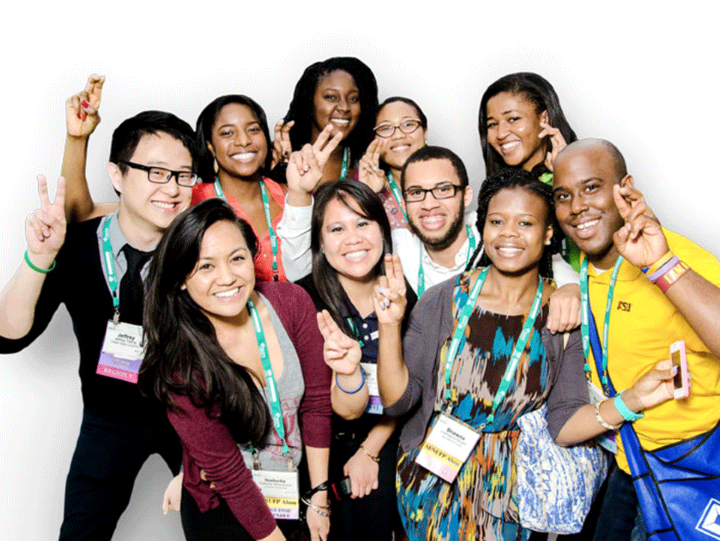
Please contact [email protected] if interested in hosting an engagement opportunity at the 2027 NASPA Strategies Conferences.
A more formal application will open during the summer of 2026.
Looking to engage with others throughout the year? Be sure to visit the Knowledge Communities associated with this event.
 |
 |
 |
Sponsors
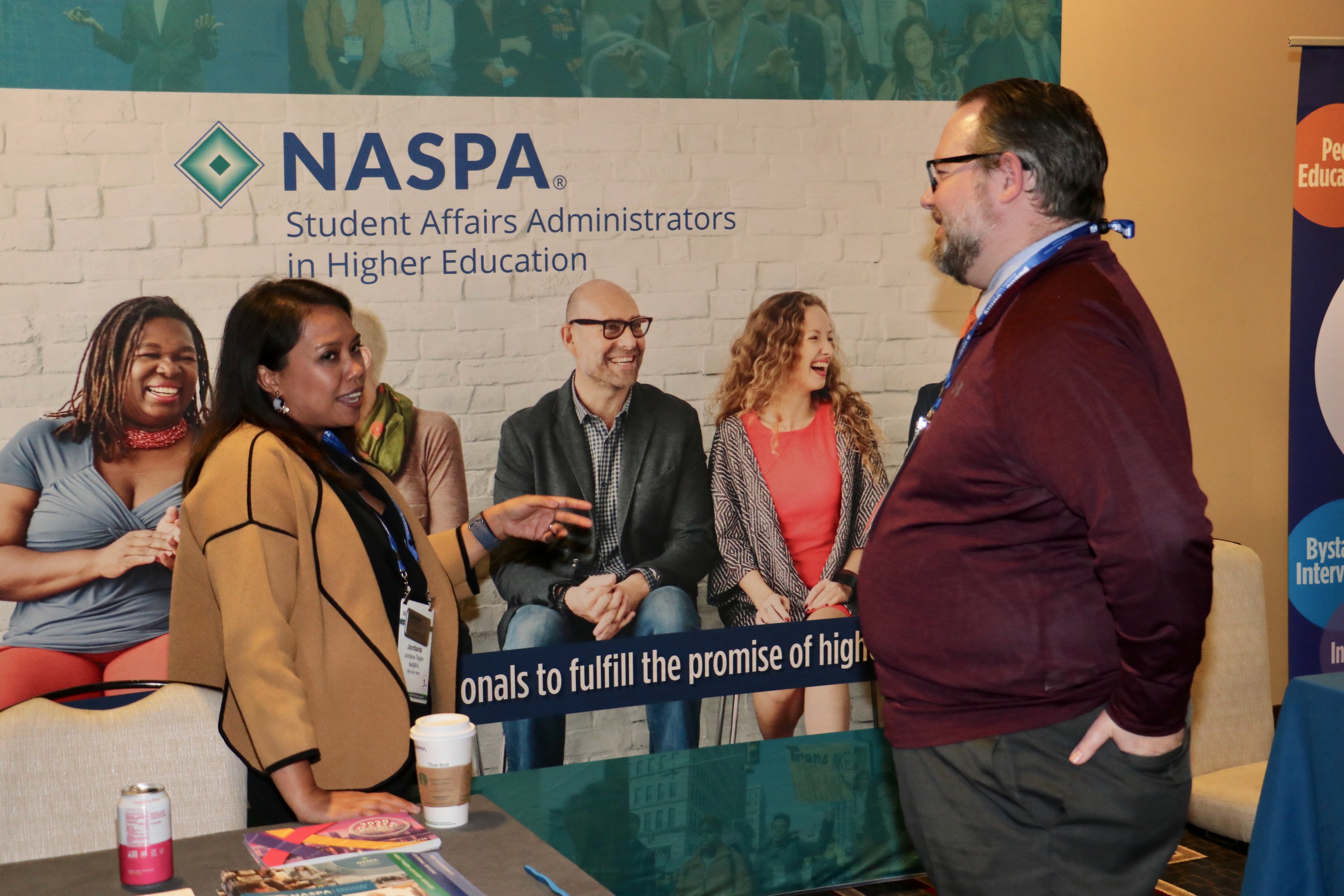 |
The 2027 NASPA Strategies Conferences are your opportunity to take a cross-functional approach to student success when it has never been more important.
This year's prospectus will open in summer of 2026.
Please reach out to Juan Pelaez-Barboza, Assistant Director of Corporate Fulfillment & Advertising, at [email protected] with any questions regarding exhibiting and sponsorship opportunities.