NASPA is the professional home for the field of student affairs.
NASPA membership connects you with the broader student affairs profession and colleagues from around the globe.
Our learning opportunities include conferences of all sizes, online content delivered live and on-demand, and courses to explore a topic in-depth.
NASPA conducts original research and publishes books, issue briefs, periodicals, and other media to support higher education and student affairs.
NASPA’s initiatives serve individuals, institutions, and the field of student affairs.
Check out what's new.
NASPA publishes books, periodicals, and other media to support student affairs professionals in their daily work to promote student learning and success.
Learn More
This brief overviews federal legislation and liability concerns, highlights trends in counseling center practices, and offers recommendations.
The vision of the Journal of Student Affairs Research and Practice is to publish the most rigorous and relevant research regarding student affairs.
Fall 2022
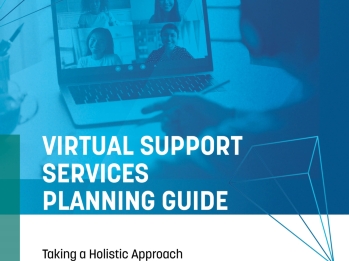
Virtual Support Services Planning Guide
Summer 2022
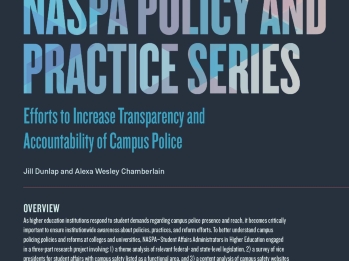
Efforts to Increase Transparency and Accountability of Campus Police
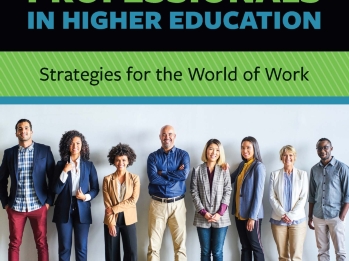
First-generation Professionals in Higher Education: Strategies for the World of Work
2022 Knowledge Communities Publication
Spring 2022
NASPA Financial Literacy and Well-being
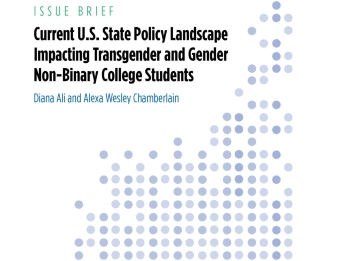
Current U.S. State Policy Landscape Impacting Transgender and Gender Non-Binary College Students
NASPA Indigenous Engagement
Winter 2022
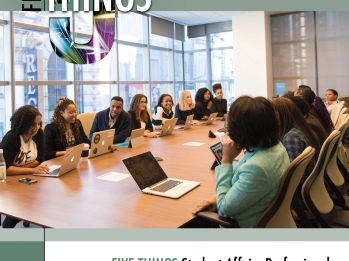
Five Things Student Affairs Professionals Can Do to Embed Racial Justice Into Their Work
COVID-19 Resources
Culture of Respect CORE Blueprint (3rd Edition)
Spotlighting Virtual Innovation: Award-Winning Strategies for Leveraging Technology to Support Students During the COVID-19 Pandemic and Beyond
Supervised Practice: Connecting Professional Competency Areas to Professional Development in Student Affairs
Fall 2021
Equity-Driven, High Achievement Assessment of Student Learning and Development